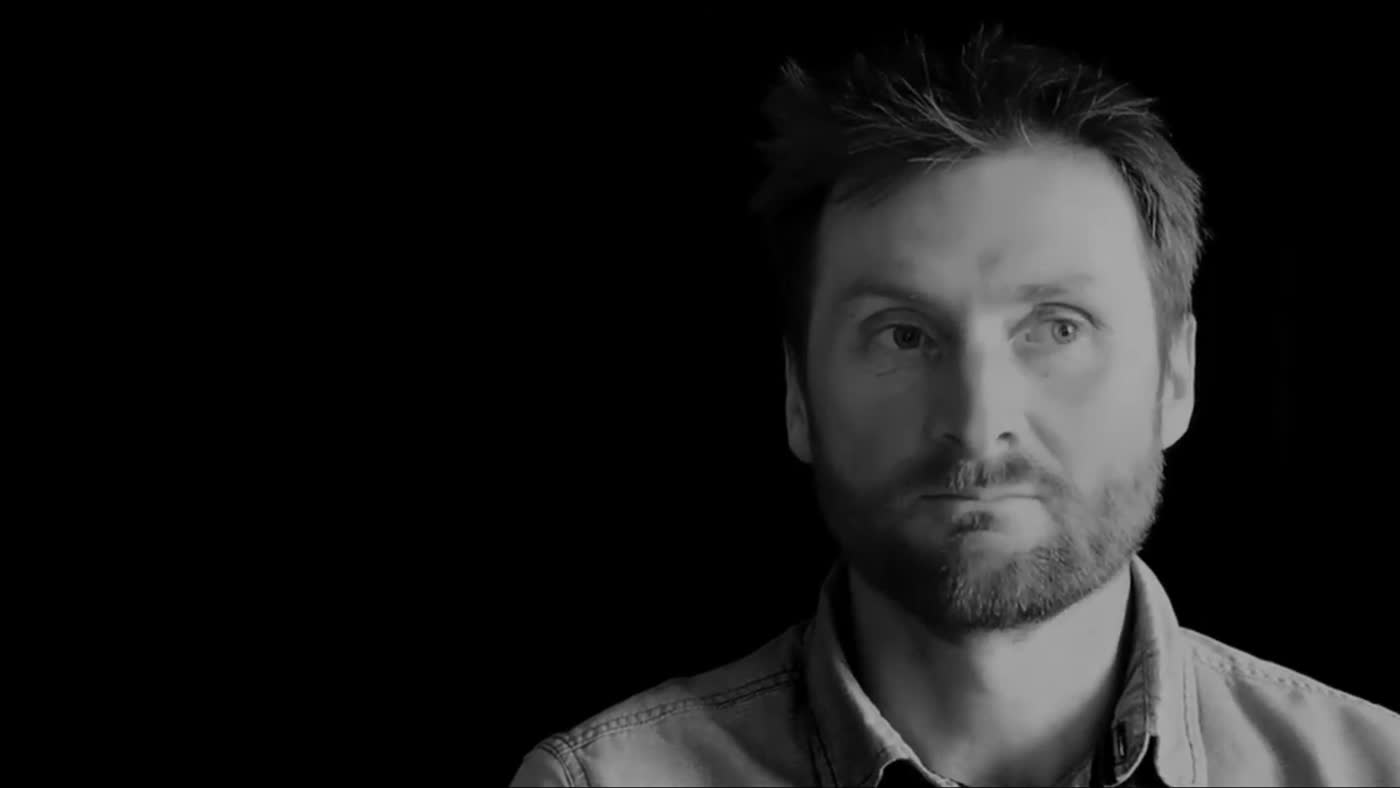
For me, portrait witnessing is an essential practice of attention—a quiet, almost spiritual discipline of learning how to truly see another human being. Developing this capacity has been a central edge in my own adult journey. After spending a decade directing an organizational consultancy focused on narrative sensemaking and developmental psychology, I became increasingly aware of how easily the posture of the "professional expert" can subtly distance us from the raw, unedited reality of another person's inner life. Stepping behind the camera as a silent witness was a deliberate choice to unlearn that expertise: to sit without an agenda, suspend interpretation, and allow meaning to emerge through pure presence.
While I was once hesitant to call myself an artist, creative practice has become my primary way of holding space for that inquiry—an open experiment and a willing venture down blind avenues where I act as a vessel, a listener, and a quiet catalyst. As a self-taught artist working across portrait painting, abstract sculpture, installation, and film, I approach this territory through a framework of methodological pluralism:
- First-person practice:
- Exploring tactile presence, bodily intuition, and materiality through painting, sculpture, and installation (tyler.world).
- Second-person encounter:
- Engaging in minimalist, unscripted portrait filming—treating witnessing as a deeply relational, somatic meaning-making process (InteriorTruth.com).
- Third-person inquiry:
- Grounding creative and human development work in the social sciences, complexity theory, and systemic investigation.
This multidisciplinary lens grew out of an unconventional path. Before centering my life on art, I spent two decades in technical, commercial, and strategy roles across multinational corporations, tech startups, and sustainable development projects in Nepal and Ghana, followed by ten years working at the intersection of complexity and adult development.
Moving between philosophy, anthropology, craft, and psychology, I am continually struck by how deeply the dynamics of complex living systems mirror the artist’s inner terrain: the deliberate posture of "not knowing," the felt sense of narrative that lives in the body before language, and the somatic act of making. Drawing inspiration from thinkers like Tim Ingold, I view art not as a luxury, but as an evolutionary necessity—a way of staying alive to one another that finds its fullest power when the Good, the True, and the Beautiful are woven together, guiding us toward an ethics realized as aesthetics.
— John Oliver