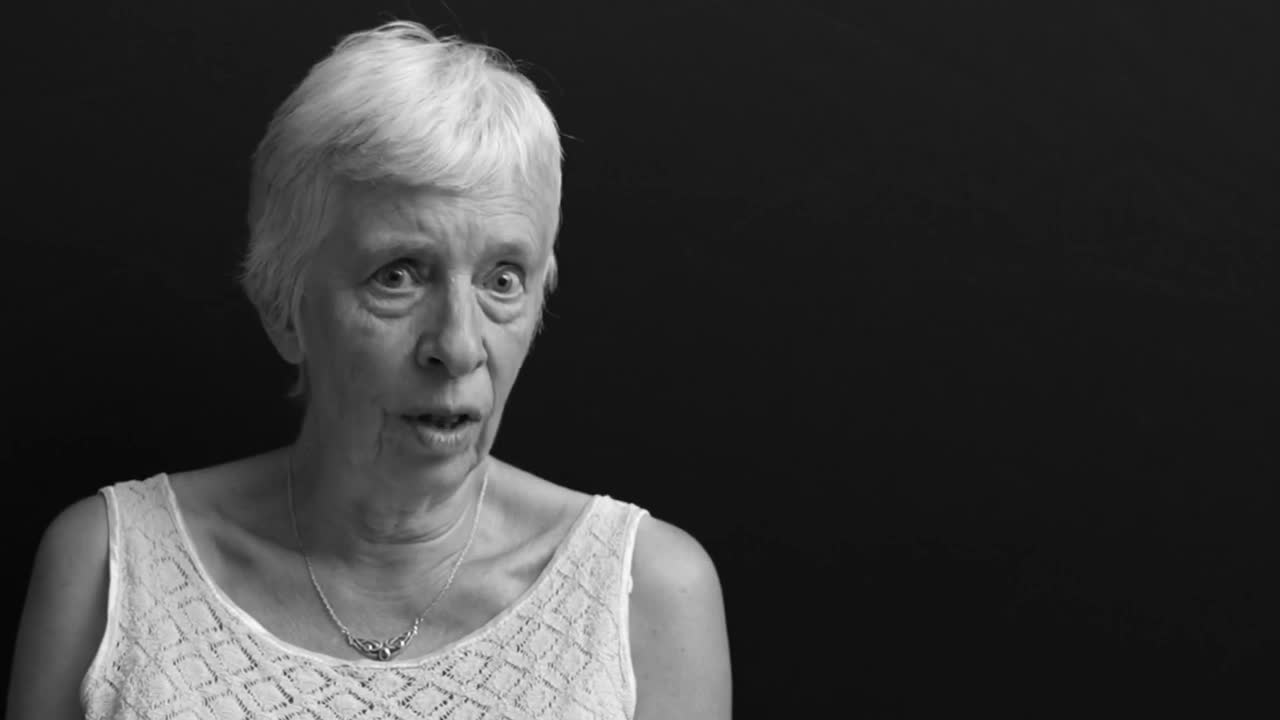
Ria Baeck
The magic in the middle
Spoken in English. Their words, as they said them.
For me, my line comes from circle practice from which is an ancient practice basically. Like people gathered around the campfire under the local big tree or whatever. And there's two strands that I know, the circle way and the way of counsel who have brought that into current, society.
And my intrigue came when when we had people who were used to being in circle. And at sometimes, at some point, we noticed there was, like, a shift. And at that point, we called it the magic in the middle because we didn't know what happened. And I became intrigued by it. Like, what are the conditions that this happens more easily or quicker or yeah, which led me on a whole journey, and, yeah, to to where we are now. Yeah. In the beginning, we were so intrigued by that thing that happened in the middle that we we used to call it the circle being, like an it. I started realizing that this is not something that sprouts or it's more like, can we spread our attention and where we gravitate which is in the Western world very much personal individual here my body me to not just you and me, but also to to the circle and even what is beyond the mystery, the mystical, the trends, whatever you call it, it's always there. It's not something that we create.
It's more like something that our attention can be trained to be with and to stay with and not getting caught up in, yeah, well, you spoke too fast or you said something wrong or and just drop all of that interpersonal shit, if I may say so. And, like, what is happening in between us? And if we it's my big thing, my belief, like, if we then put a question in the middle, what insights might we get from I don't know where. Actually, something creative can come true, I think.
That's my what I see as potential that if we can be in this space, in a group of people contemplating a real question, like a real problem, real project, what insights, what wisdom will reveal itself. I call it subtle sensing. How do you know that that person needs the song or needs the money or needs whatever? How where where do you perceive? It's not by looking. It's not by hearing. But we have inner sensing organs that somehow know. Yeah?
I can't explain it. I mean, it's it's part of the mystery, I think.
What we and we as practitioners of what I've called collective presencing, we offer free, open dialogue spaces. It's a practice. And most people who come to this collective practice have already some kind of individual practice And that can be anything from authentic movement, meditation, Quaker, Feldenkrais, yeah, you name it, artist. And somehow they know, I think that's how I look at it, they know the power of practice. So what if we come together in practice, like, every week together in the open generative dialogue practice and get more and more to this state and this awareness or presence or whatever word you wanna use. That's how we have been doing it so far.
We had gatherings with women. It was called women moving the edge, which happened 13 times over a seven year period, either more on the European side, Belgium, or more on The US, mostly around Boston because that was where my partner in crime was at that time. And we just explored this, just experimenting physically.
And out of these gatherings with lots of prep calls which were all transcribed.
Some of my blog posts that I had written in these gatherings. So I had a huge pile of data, you could say. And I started looking for, like, what is the underlying pattern? What is the model, you could say? Like, what are dimensions and levels you need to pay attention to and what are what are the pitfalls that get you out of the space when it's still it's still evolving.
And it's only when COVID came, and Peter Lindbergh from the store invited me for an interview and then invited for weekly practice online, I was like, oh is that going to work with people that I don't know? And I said, let's try. And that's what we have been doing since the beginning of COVID. And it works.
And I guess a new chapter is somehow forming, but I can't fully see it yet.
So as these online sessions started, I said, if we want to do this regularly on this platform, I want to have co hosts. And two people that I didn't know stepped forward and said, we wanna learn, we wanna help out, and that's what they did. And together we had a call to figure out, like, what is the question we are going to use because that's central in the practice too, like, what is the question we are inquiring into. And from there they they evolved and eventually they were hosting a session and more people stepped forward in co hosting. And what we did and what I did from the beginning was after the ninety minute dialogue session, we would officially close. And I say now it's thirty minutes what we call debrief. And it was originally set up for the two for like, hey, what questions do you have, what comments and so on. But somehow, I don't know how that came to be, but it said anyone is welcome in the debrief, anyone of the participants. Sorry. So that turned out that either people who are new haven't been in the practice, they wanna hear, they wanna learn, they have some questions. And on the other hand there are people who are regular in the practice who start to be thinking of why are they doing this and why not that and don't you think this and so in that debrief time is actually a capacity building time. And out of that, we have now a group what we call core practitioners who host these open sessions online all for free, and we have a group of 35 or something right now.
I used to say, just a little Flemish girl. That was my, let's say, my upbringing. Working class, little, little village.
Yeah. Totally Catholic as most of Belgium is.
So I went to university, got married, got three kids, was supposed to be on the right path and then got divorced and started my first, following my first course somewhere, and since then it never stopped in a way. So I've done loads of workshops and trainings and I studied psychology, Didn't have an I the feeling or the ex the the the confidence and the feeling that I learned something or anything useful. I mean, in in the relationship with patients. Yeah. So then later on, I did another training which was called emotional body work, which was very physical, emotional work. And after these three intense years, I was like, okay. Now I can be of any help maybe to other people. And so I've been a therapist since since long, and from therapists individual, did, group therapy and also went to teams and bigger systems and organizational development and training and auto hosting and yeah. So many many things. And I'm a gardener. You can find me every weekend day in the garden. Keeps me sane. That's my grounding.
If You build good soil. Things grow.