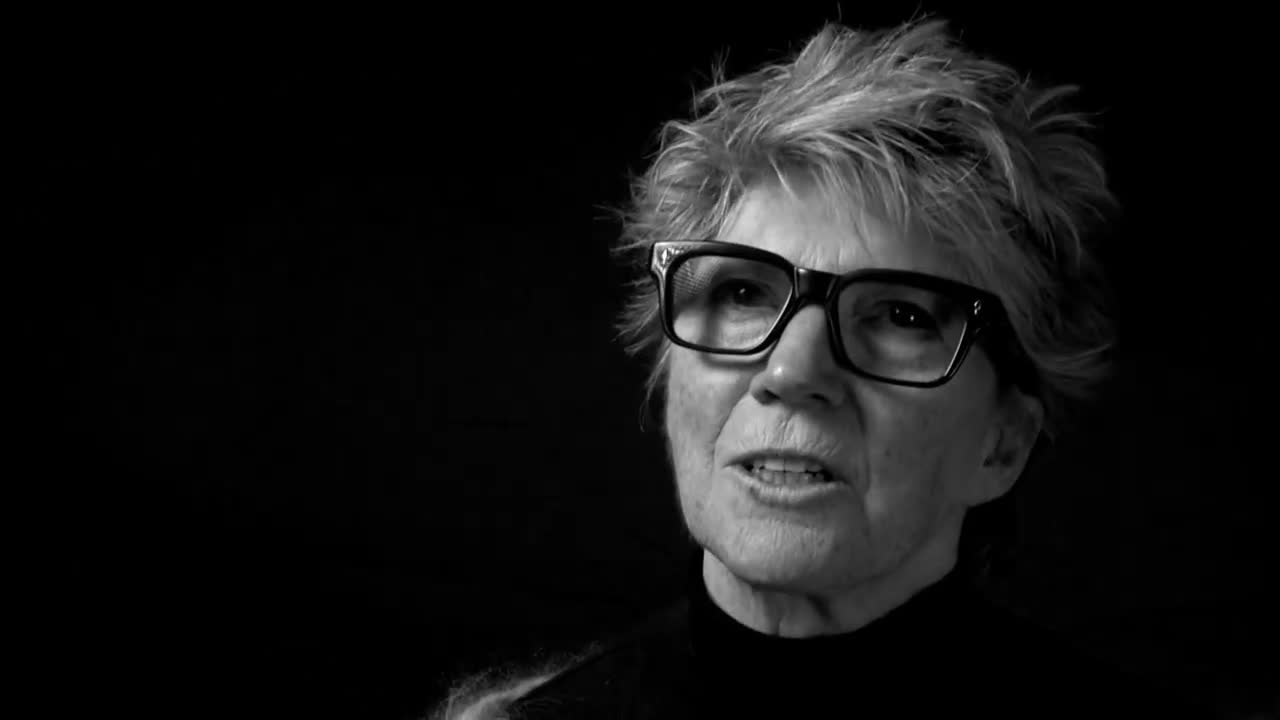
Krista Stanley
The experience of filming an unconditional witnessing portrait
Spoken in English. Their words, as they said them.
This is actually a very beautiful beautiful is not a very descriptive word. It's not the right word, I don't think. I think it's more, it's like a deep exposure, or something that you yourself initiate.
It was work to a certain degree because it was something that I had to attend to. I had to recognize that it was there. I had to actually focus on it. I had to try and shift something. I had to try and change a behavior, that was almost, you know, like the when the eyes start going, it's almost, unconscious behavior. And I had to make it very conscious. So that that is that's work. I guess that's what when people say you gotta do the work, that's that's what they mean. It's like, you have to be very open to, you know, that self recognition and then what might drive it. And it's not like I necessarily came up with the ideas of what's driving it. It's almost like I was able to relax myself enough so that inform the ideas could start to flow in to assist me in in knowing what that might be.
Well, it was very interesting the process of, sitting with no intention. I had no, thought about what I wanted to speak about. And so the, just opening to the image and that that image of that first ex that experience when I was six is is very profound. It's like, well, where did that come from? And then allowing that to just move throughout the session and where that takes you, it's really extraordinary. It was really, because I tried not to move myself, essentially, have my mind move me. But that was interesting because then my attention went to my eyes, and it was like my eyes were moving me. And I had to stop doing that. That was very interesting.